
Pool Salt Cell Cleaning in Murrieta, CA
Murrieta has some of the hardest fill water in the region, and that mineral load turns the plates inside a salt chlorinator chalky white within months. Once the scale bridges the gaps between plates, chlorine output collapses and the water goes dull fast. We descale the cell with a calibrated acid soak, verify the panel readout, and leave your generator pulling its weight again.
How We Service Murrieta Salt Chlorinators
The established landscaping in neighborhoods like Bear Creek and Greer Ranch adds pollen and leaf tannins to the water, and that organic load mixes with Murrieta's mineral-heavy fill to foul salt cells faster than most owners expect. Here is the full scope of what a salt cell cleaning covers when we pull up to your pad.
Cell Health and Plate Inspection
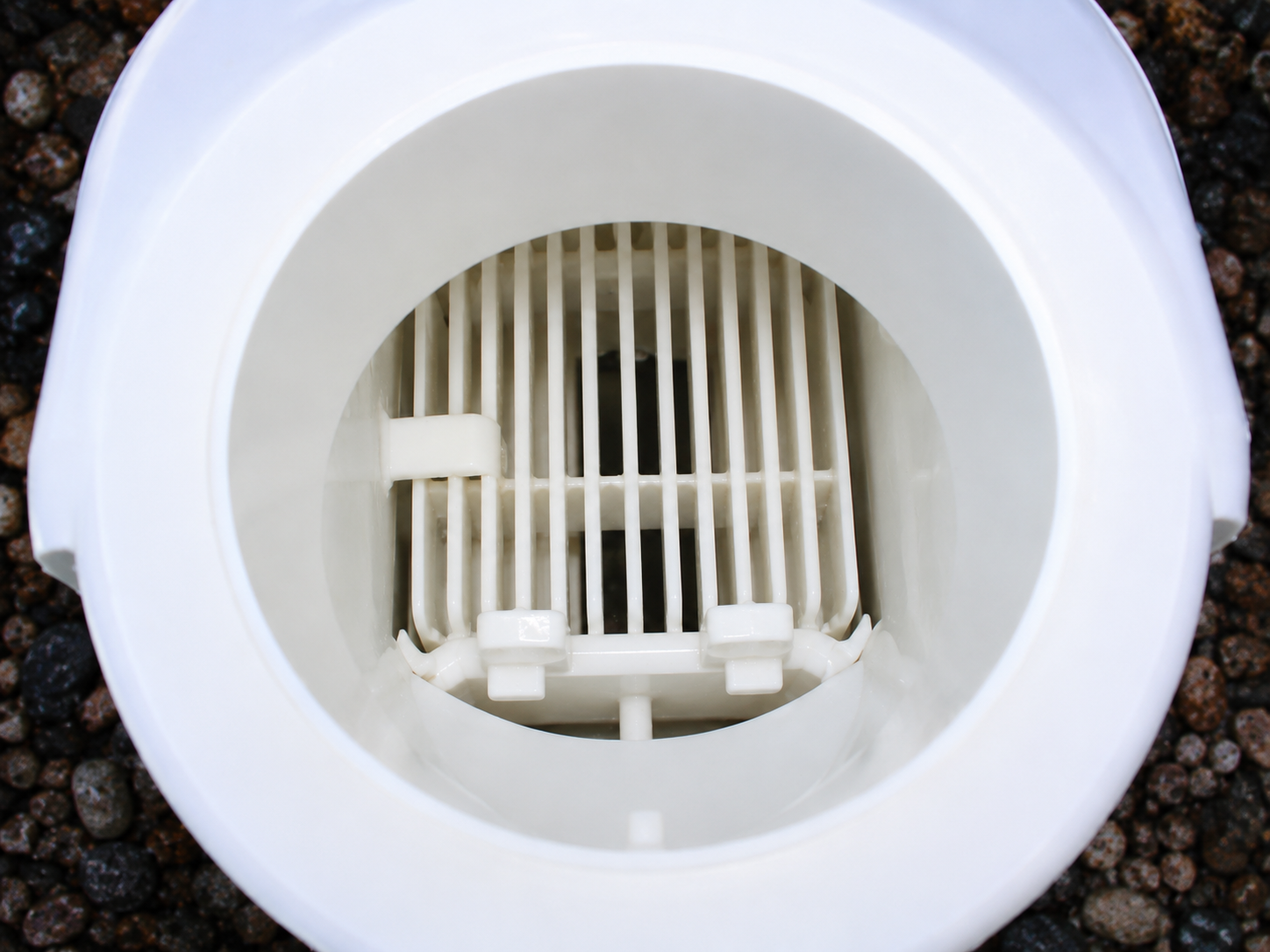
We unseat the cell from the union fittings and hold it up to the light to read the plate condition. White crust between the blades, pitting on the edges, and a flaking coating each tell a different story, and that story decides whether a descale will fix the problem or whether the cell is finished.
Calibrated Acid Soak
We mix the acid bath to the dilution your specific manufacturer calls for, never a generic strength. Soaking too hot eats the plate coating, and soaking too weak leaves scale behind. We time the bath to dissolve the calcium crust while the protective coating stays intact.
Panel Output Verification
A clean cell is only useful if the board feeds it the right voltage. After reinstalling, we watch the chlorine percentage climb on the panel and compare it to the rated output for your model. A stalled reading sends us back to the board and the wiring, not just the cell.
Salinity Range Correction
Salt cells only generate when the water sits inside a narrow salinity band. We test your pool water with a calibrated probe and bring the salt level back into that band so the cell produces chlorine at full capacity instead of cycling on and off.
Union O-Ring and Flow Switch
A dried-out union O-ring pulls air into the pump and trips the flow switch, which shuts the cell off even when the plates are spotless. We replace the O-rings while the cell is out and bench-test the flow switch so the generator only fires when water is actually moving.
Board Diagnostics and Wiring
The control board is the brain of the system, and Murrieta's summer heat ages the capacitors and the wiring insulation. We pull the fault codes, check the harness for corrosion, and confirm the board sends clean voltage to the cell on every cycle.
The Salt Systems Installed Across Murrieta
We carry parts for the three brands that matter here
Walk the equipment pads in The Colony or Copper Canyon and you will find the same three names: Pentair, Hayward, and Jandy. We stock replacement cells and control boards for all three, and we know the acid ratio and soak window each manufacturer publishes. Pentair IntelliChlor, Hayward AquaRite, and Jandy AquaPure each use a different plate spacing and coating, so a cleaning method that works on one can ruin another.
The board that drives the cell matters as much as the cell itself. A Pentair board throws different fault codes than a Jandy board, and the wiring harnesses are not interchangeable. When your panel flashes an error, we read it in the context of your specific brand and model instead of guessing, and we only swap the component that actually failed.
Getting Started Is Simple
Every Murrieta salt cell service follows the same three stops so you know exactly what we did, what we found, and what it cost before we pick up a wrench.
We Pull and Read the Cell
We isolate the cell from the plumbing, drain it, and inspect the plates under direct light. That read tells us whether the calcium crust is the whole problem or whether the coating is gone and the cell is at the end of its run. You get a free written quote before we spend a dollar of yours.
We Descale and Reseal
We soak the cell in the manufacturer-correct acid dilution, brush the plates clean, and flush the housing. While the cell sits in the bath we swap the union O-rings and bench-test the flow switch, because those two parts cause more false low-chlorine readings than anything else.
We Reinstall and Confirm Output
We seat the clean cell, reset the control board, and watch the chlorine percentage settle to its rated level. We check the salinity and log the clean baseline pressure so the next visit tells us immediately if the cell is scaling back up.
When Murrieta Salt Cells Start to Fail
Catch the drop before the water turns
Salt cells rarely fail without warning. The panel usually tells you something is wrong days before the pool goes cloudy. If any of these show up on your Murrieta pool, call us and we will figure out whether the cell needs a clean or the board needs a repair.
Watch For:
- The control panel flashes a check-cell or low-salinity light that does not clear after you add salt.
- Your test kit chlorine reading drifts down even though you turned the output percentage up.
- A chalky white scale has covered the blades inside the cell until the plates look solid instead of separate.
- The water has a flat, dull look and the walls feel slick even though the chemistry tests in range.
Descale It or Replace It?
We give you the honest call either way
When the plates are crusted but the coating is still intact and the edges are not pitted, a descale brings the cell back to full output for a fraction of what a replacement costs. We look for coating damage and edge wear before we soak, because a cell that has lost its coating will not make chlorine no matter how clean the plates are. Spending your money on a descale for a dead cell is a waste, and we will not do it.
Cells typically run three to five years before the coating gives out, and Murrieta's hard water pushes that toward the short end. When we find a cell past its service life, we hand you a free written quote for the correct replacement for your brand and model, no pressure. We only recommend a swap when the cell genuinely cannot be saved.
Murrieta Panel Showing a Check Cell Error?
Get a free written quote for a salt cell cleaning in Murrieta.
Areas We Cover in Murrieta
Crews familiar with Murrieta salt systems
Our salt cell routes run from the golf-course homes in Bear Creek and Greer Ranch out to the family neighborhoods around Copper Canyon and The Colony. The water hardness shifts from one side of Murrieta to the other, and we track which communities scale cells fastest so we can set your cleaning interval before the panel ever flashes a warning.
Other Pool Services in Murrieta
Salt cell cleaning is one of many services we provide. Explore the other pool care options we offer across Murrieta and nearby communities.
Looking for our main pool salt cell cleaning page? See our pool salt cell cleaning page or visit our Murrieta pool service page for full coverage details.
Common Questions
Answers to the questions Murrieta homeowners ask us about salt chlorinator service and keeping chlorine output steady.
How often should a salt cell be cleaned on a Murrieta pool?+
Plan on every three to four months for most Murrieta pools, though the golf-course neighborhoods like Bear Creek and Greer Ranch often need it sooner because the mature trees drop pollen and tannins that compound the mineral scaling. We set your interval based on the water hardness reading from your tap, how many hours your pump runs, and the exact salt system on your pad. Staying ahead of the scale keeps the cell producing at full strength and stretches its usable life.
Can I descale my own salt cell with acid from the hardware store?+
You can, but the margin for error is thin. Too strong a mix or too long a soak will strip the coating off the plates, and once that coating is gone the cell will never make chlorine again. We mix to the dilution your specific manufacturer publishes and time the bath to the minute. We also replace the union O-rings and bench-test the flow switch while the cell is out, two steps most owners skip and that cause a lot of repeat service calls.
My salt system still reads low chlorine after I cleaned the cell. Why?+
A clean cell is only half the system. If the panel still reads low, the fault is usually in the control board, the wiring harness, or the salinity of the water itself. We measure the salt concentration with a calibrated probe, check the voltage the board sends to the cell, and read the fault codes in order. Sometimes the board has a repairable fault, sometimes the cell is simply worn out, and we tell you which one it is.
Which salt cell brands do you service in Murrieta?+
Pentair, Hayward, and Jandy cover nearly every salt system on a Murrieta pad, and we carry replacement cells and boards for all three. Pentair IntelliChlor, Hayward AquaRite, and Jandy AquaPure each use different plate spacing, different coatings, and different fault codes, so the cleaning method and the diagnostics change from one to the next. We follow the procedure the manufacturer wrote for your specific model.
What is the cost to clean a salt cell in Murrieta?+
Every pad is a little different, so we send a free written quote after we see your cell and your system, no pressure. The price reflects the cell model, how heavy the scale is, and whether we find anything else on the board or the flow switch during the inspection. We walk you through the full scope before we turn a wrench, so nothing surprises you on the invoice.
How many years should a salt cell last before I replace it?+
Three to five years is the typical window, and the hard water in Murrieta tends to push cells toward the shorter end of that range. The coating on the plates wears down a little with every acid soak, so a heavily scaled cell that gets cleaned often will reach end of life sooner. We read the plate condition on every visit and tell you when the cell is getting close so you can budget for a replacement instead of waking up to a green pool.
Restore Your Salt System's Chlorine Output
Call now or request a free estimate for a salt cell cleaning in Murrieta.